Explore the Khah Gallery, a vibrant showcase of Khah language and culture. Our collection features stunning images, artifacts, and historical pieces that highlight the beauty and depth of the Khah heritage. Dive into the rich traditions and stories that make Khah culture truly unique.
Discover the Rich Heritage of Khah Culture
Kangri
A Kangri is a traditional Kashmiri firepot made from earthenware and encased in a wicker basket. It is used to keep warm during the cold winter months in Kashmir. People carry the Kangri under their clothing to stay warm, making it an essential part of Kashmiri culture and daily life. The Kangri is especially popular during the harsh winter season, providing both warmth and a sense of comfort.
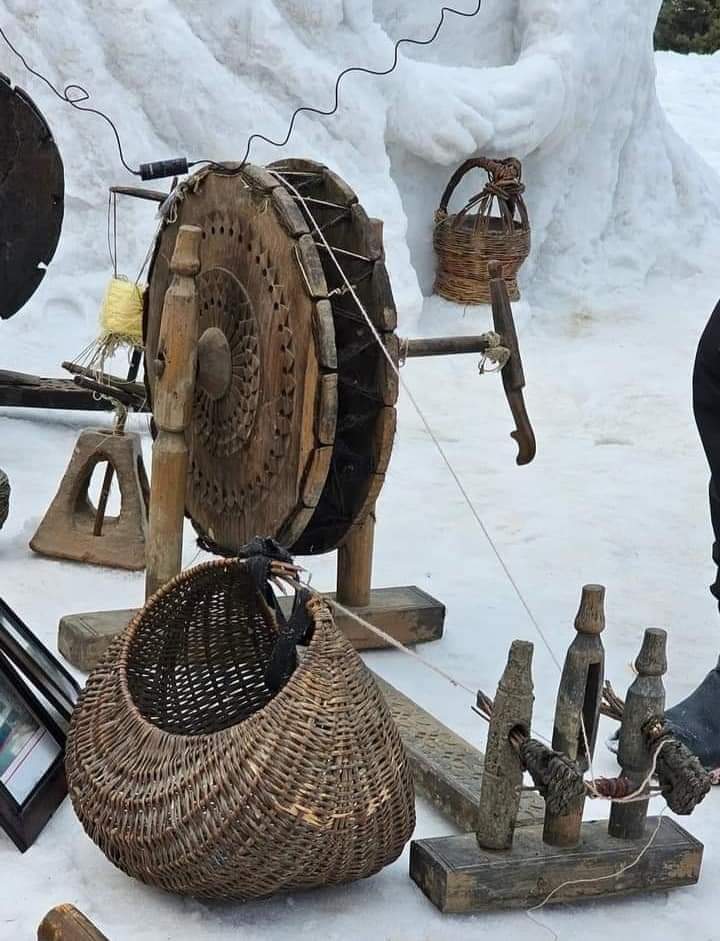
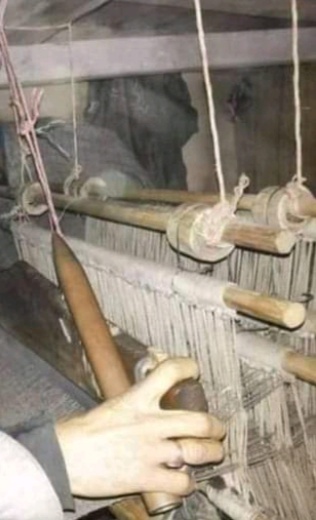
Vaan
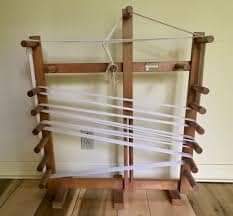
Handloom weaving is an ancient craft in Kashmir, where skilled artisans create beautiful textiles using traditional wooden looms. The art of handloom weaving is deeply rooted in Kashmiri culture, producing exquisite shawls, carpets, and fabrics known for their intricate patterns and fine quality. This craft is not only a symbol of Kashmiri heritage but also supports the livelihoods of many families in the region. Handloom products are highly valued for their craftsmanship and cultural significance.
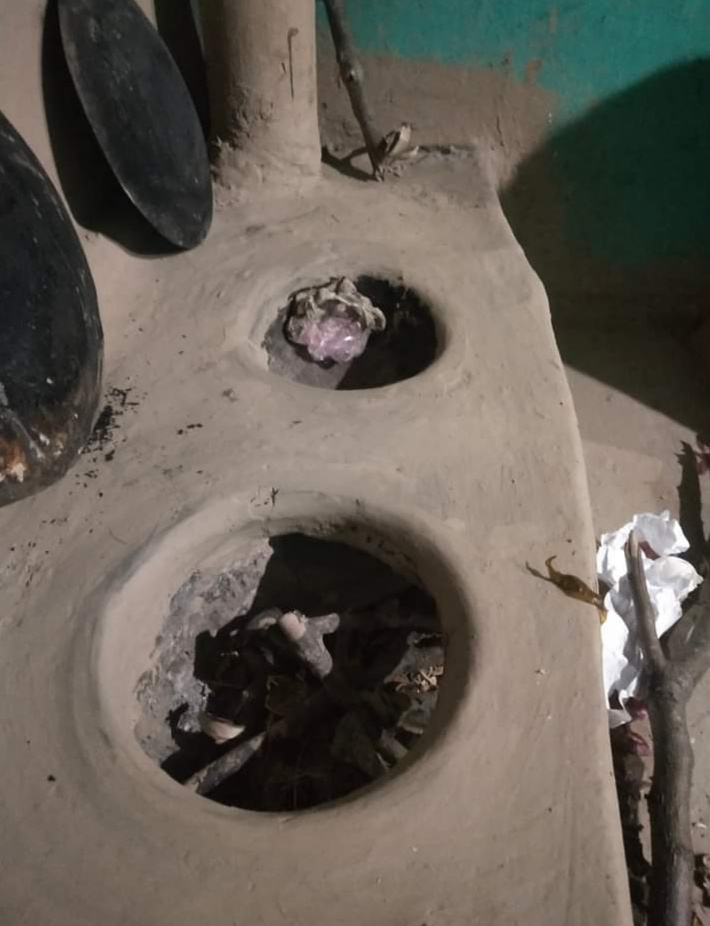
Dvaan
A Dvaan is a traditional Khah stove made from clay or mud, used for cooking. It is a simple yet essential part of Khah households, especially in rural areas. The Dvaan is fueled by wood or dried twigs and is designed to retain heat, making it ideal for slow-cooking traditional Khah dishes. This age-old cooking method adds a distinct flavor to the food and is a cherished part of Khahistan’s culinary tradition.
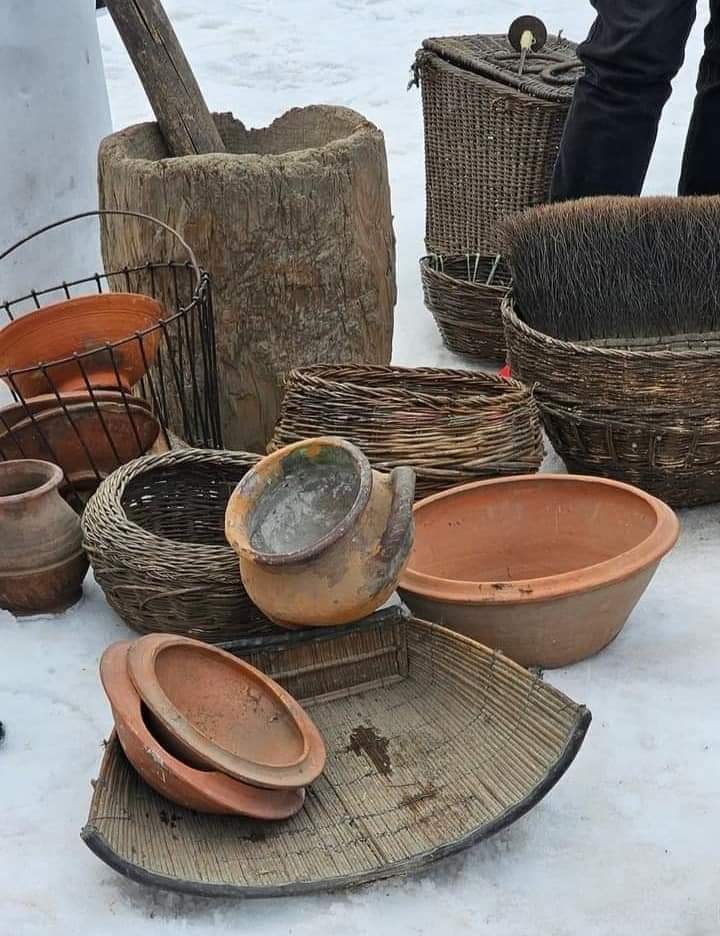
Shyoop
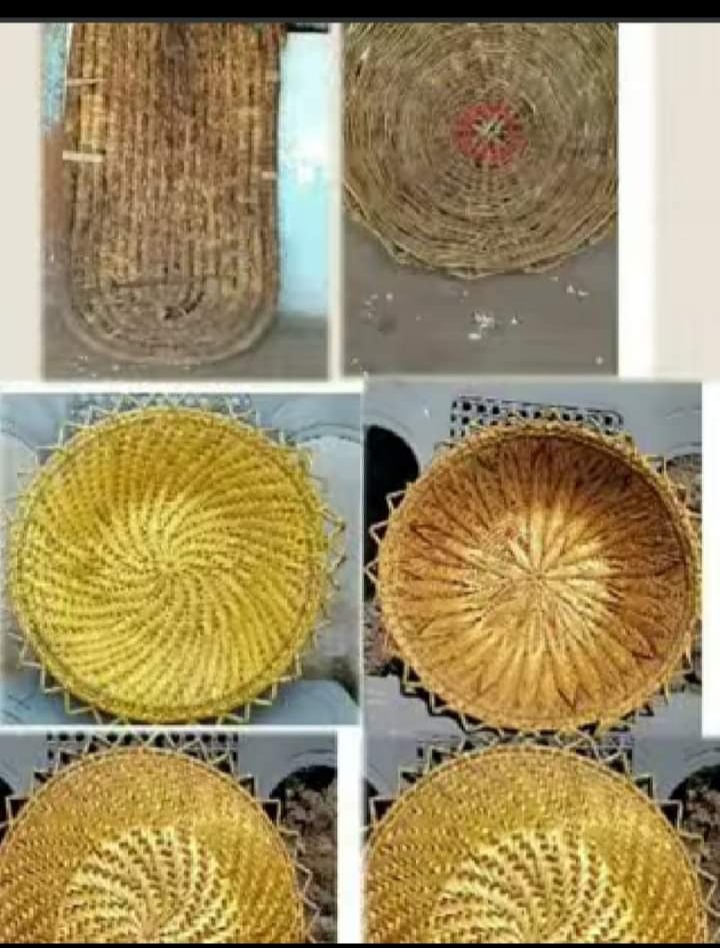
The Shyoop is a traditional winnowing implement widely used in Khahistaan for cleaning grains after harvesting. It is a flat, oval or semi-circular tray traditionally woven from willow twigs, reeds, or bamboo, making it light yet durable. The Shyoop is used to separate grain from husk, chaff, and dust by gently tossing the mixture into the air so that the lighter impurities are carried away by the wind while the heavier grains fall back into the tray. Commonly employed in rural households, especially by women, it forms an essential part of post-harvest agricultural practices. Beyond its practical function, the Shyoop represents the self-reliant agrarian culture of Khahistaan and reflects the region’s rich tradition of eco-friendly craftsmanship and indigenous knowledge.
Patli
Patli is a traditional mat made from woven straw or grass. It is typically used for sitting, especially during meals or gatherings. The Patli is crafted by skilled artisans who weave the straw into a flat, sturdy mat. It is lightweight and portable, making it easy to roll up and store when not in use. Patlis are often used in rural households and during cultural events, reflecting the simple and practical lifestyle of the Khah people. The mat also holds cultural significance, as it is commonly used in traditional settings and ceremonies.
Vakhul
vakhol also known as lukhun is a traditional wooden circular bin used for grinding rice. It is a large, hollowed, circular wooden vessel made from a single tree trunk, designed to be strong and stable. Paddy or rice grains are placed inside the bin and ground or dehusked using a heavy wooden pestle, locally called “Musul”. This traditional method was commonly used in rural households before mechanized rice mills became widespread. The tool played an important role in household food processing and reflects the indigenous knowledge, sustainable use of wood, and self-sufficient lifestyle of traditional Khah society.